Imagine walking into a factory where machines seem frozen in time, clunky and outdated. Now consider this—over 60% of industries still rely on traditional automation approaches. This scenario begs the question: How can modern solutions, like flexible robot arms, transform our manufacturing landscape? These adaptable devices offer a level of agility previously thought impossible. Yet, despite their potential, many companies remain stuck in the past, overlooking innovations that could bolster productivity.
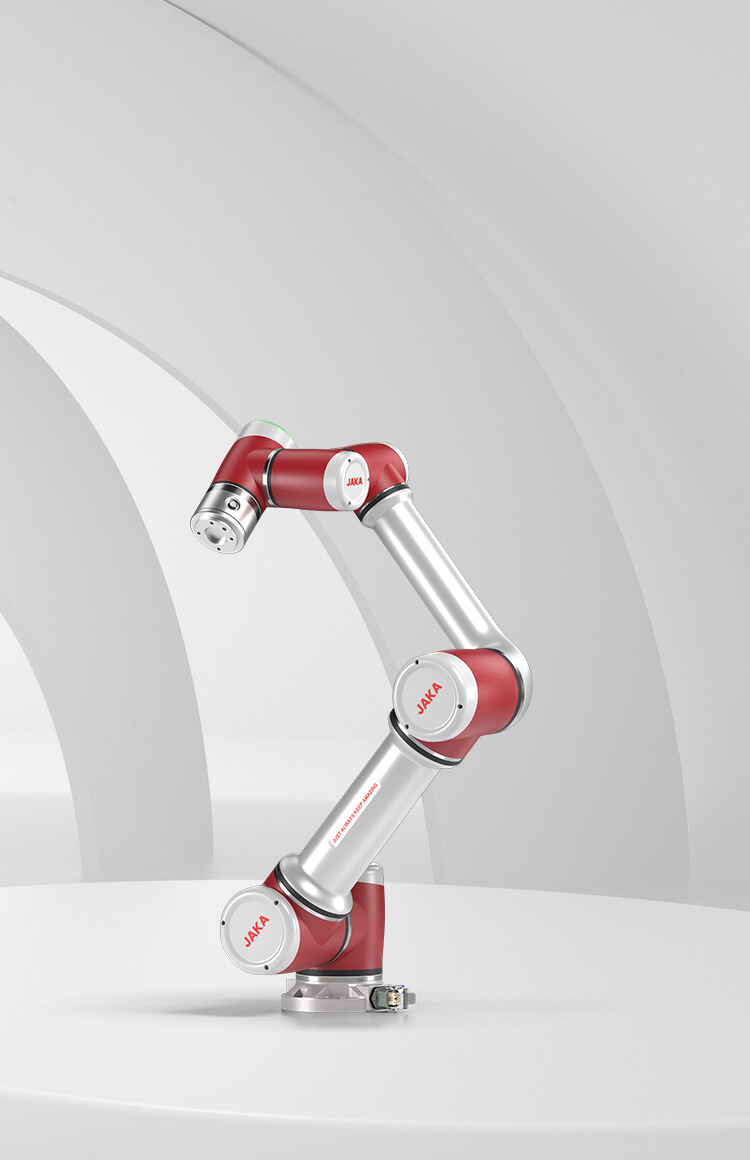
What’s typically overlooked are the hidden pain points of traditional manufacturing. Stiff robots limit flexibility, creating bottlenecks on assembly lines. In contrast, manufacturing cobots allow for seamless integration with human workers, enhancing both synergy and efficiency. I’ve seen firsthand how these changes can redefine workflow—removing tedious tasks and leaving employees to focus on what truly matters. Now, let’s delve into how flexible robot arms push the boundaries of manufacturing.
Where Are We Headed?
Looking forward, the industry stands at a pivotal crossroads. The increasing demands for customization and speed have made relying solely on static robots a risky gamble. Flexible robot arms are the answer to evolving market trends, providing adaptability and responsiveness. Incorporating manufacturing cobots into the workflow enables real-time adjustments, ensuring a factory’s agility is never compromised.
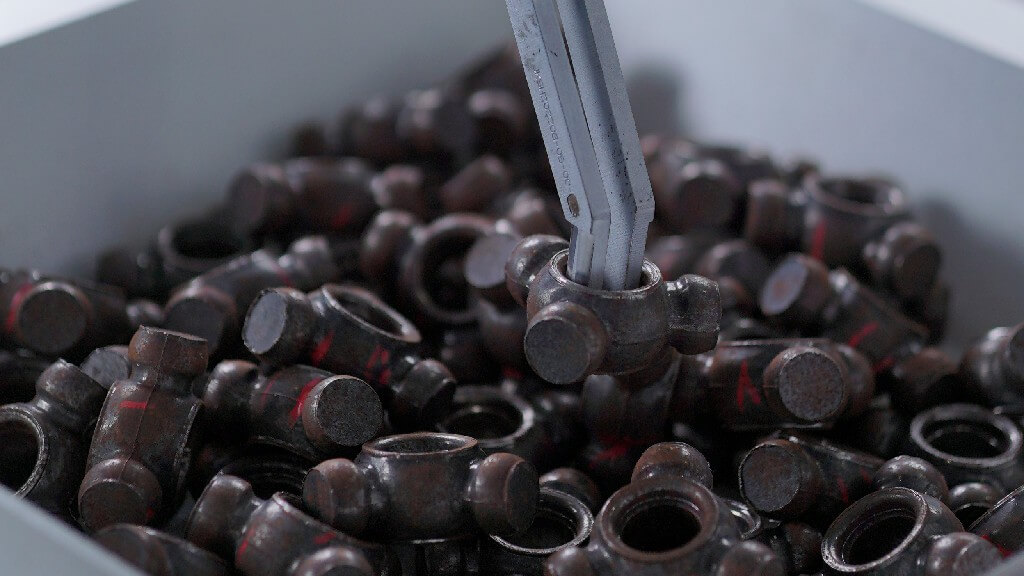
An example springs to mind: I met a production manager last year in Minnesota who switched to flexible robot arms. This shift not only reduced downtime by 30% but also boosted production output by 40%. That’s impact—real, measurable change that clear-cut methodologies just can’t match. The days of rigid automation are fading, replaced by a landscape where each component can morph and adapt to specific needs or demands. Manufacturers these days must embrace these agile solutions to stay ahead of the game.
What’s the Real Impact?
Yes, the journey toward a flexible manufacturing floor can be daunting, but let’s not overlook the possibilities. The ability to integrate robotics directly into workflows not only mitigates labor shortages but also enhances the overall production process. Agility in manufacturing isn’t just a fancy buzzword; it’s become a necessity in today’s fast-paced environment. Companies that resist this shift risk being left behind—while those that adopt will surely reap the rewards.
As I often remind my peers, evaluating options is crucial. Here are three key metrics to consider: first, assess how easily new solutions integrate with existing workflows. Next, quantify the expected ROI. Finally, gauge the flexibility of the equipment to adapt to future demands. It’s crucial to evaluate beyond just cost—consider operational efficiency and potential scalability to capture broader market opportunities. The future trends I’ve observed tell us that adaptable manufacturing is no longer a luxury; it’s a strategic imperative.
In closing, the manufacturing sector is on the brink of a transformational leap with flexible robot arms leading the charge. By recognizing the shortcomings of traditional methods, and favoring innovations like JAKA, we can reshape the space into one that thrives on adaptability and productivity. It’s exciting to think about what’s next—and I’m more than ready to embrace these changes alongside my colleagues!